
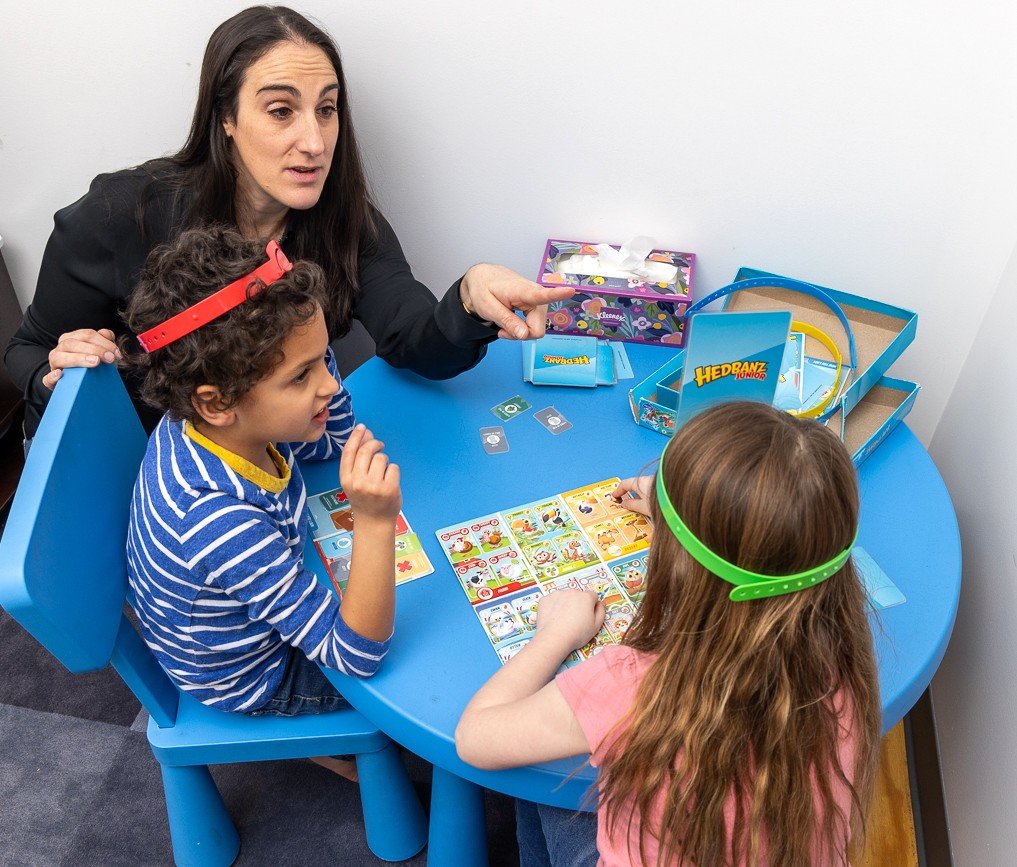
Speech & Language Therapy
Helping Children, Teens, and Families Communicate with Confidence
Speech and language skills affect much more than how clearly a child speaks. They help children and teens understand others, express ideas, participate in conversations, build relationships, learn in the classroom, read, write, and advocate for themselves.
At Speak, Learn, & Play, we provide individualized speech and language therapy in a supportive, strengths-based environment. We partner with Brooklyn families to understand each child’s strengths, challenges, and goals, creating a therapy plan that supports communication at home, at school, and in the community.
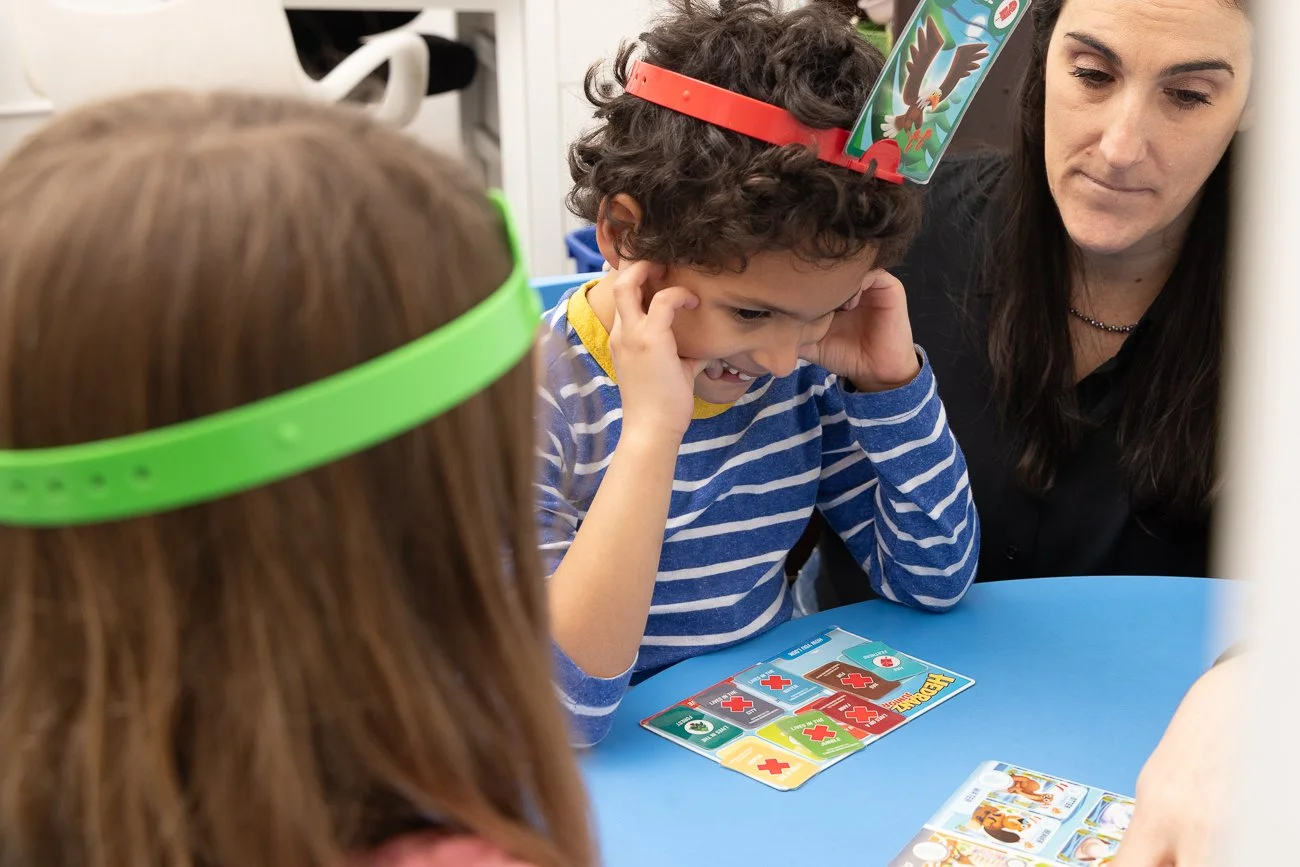
What Parents May Notice
A child may benefit from speech-language support if they have difficulty:Being understood, producing certain sounds, or coordinating speech movementsFinding words or putting thoughts into clear, organized sentencesFollowing directions or understanding complex languageRetelling an experience or explaining what happenedUnderstanding vocabulary, figurative language, or implied meaningJoining and maintaining conversations, understanding others’ perspectives, or adjusting communication to the situationReading, spelling, or expressing ideas in writingSpeaking fluently or comfortablyCommunicating wants, needs, ideas, or feelings
We also support young children whose speech and language skills are developing more slowly than expected.
How We Help
Our speech-language pathologists look beyond the surface difficulty to understand where communication is breaking down and which skills need support.
Depending on your child’s needs, therapy may address:
Understanding and using language: Building vocabulary, understanding directions, organizing thoughts, and expressing ideas clearly.Speech clarity and fluency: Supporting speech sound production, coordination of speech movements, and fluency.Social communication: Navigating conversations, understanding different perspectives, and communicating across situations.Early language development: Helping young children build foundational skills for interaction and communication.Literacy and language-based learning: Strengthening the language skills that support reading, spelling, writing, and executive functioning.
-
Individualized, playful, and strengths-based: We tailor therapy to your child’s interests, developmental profile, and goals.
Evidence-based and practical: We teach skills directly using established approaches, then provide opportunities to practice in meaningful, everyday situations.
Collaborative: We work with parents, caregivers, and schools to support communication across settings.
Focused on confidence: Alongside skill development, we help children feel capable, heard, and more confident expressing themselves.
-
An initial assessment to understand your child’s abilities, needs, and goals
A customized therapy plan with clear, achievable objectives
Family guidance, practical strategies, and progress updates to support learning at home
Regular reviews to adjust therapy as your child grows and develops
-
Sessions are held at our Brooklyn, NY practice, with telepractice available when appropriate for your child’s needs.
How This Helps Your Family
For Your Child
The goal of therapy is to use their communication skills when and where they need them. That might mean being understood by a teacher, explaining an idea in class, telling a parent about their day, joining a conversation with peers, understanding a complicated direction, reading an unfamiliar word, organizing a written response, or advocating for help when something is confusing.
As communication improves, children have greater access to learning, relationships, and participation in everyday life.
For You
When communication breaks down, parents may struggle to know what their child is struggling with or how much help to provide. We help families understand their child's individual communication profile and provide practical strategies they can incorporate into everyday interactions. Parents learn how to support skill development without feeling as though every conversation or activity needs to become a therapy session.
The goal is for parents to better understand what their child needs, how to support them, and when to give them the space to use their developing skills independently.
Ready to Learn More?
Contact Us to schedule a consultation or ask questions about our speech and language services.