
Social Groups
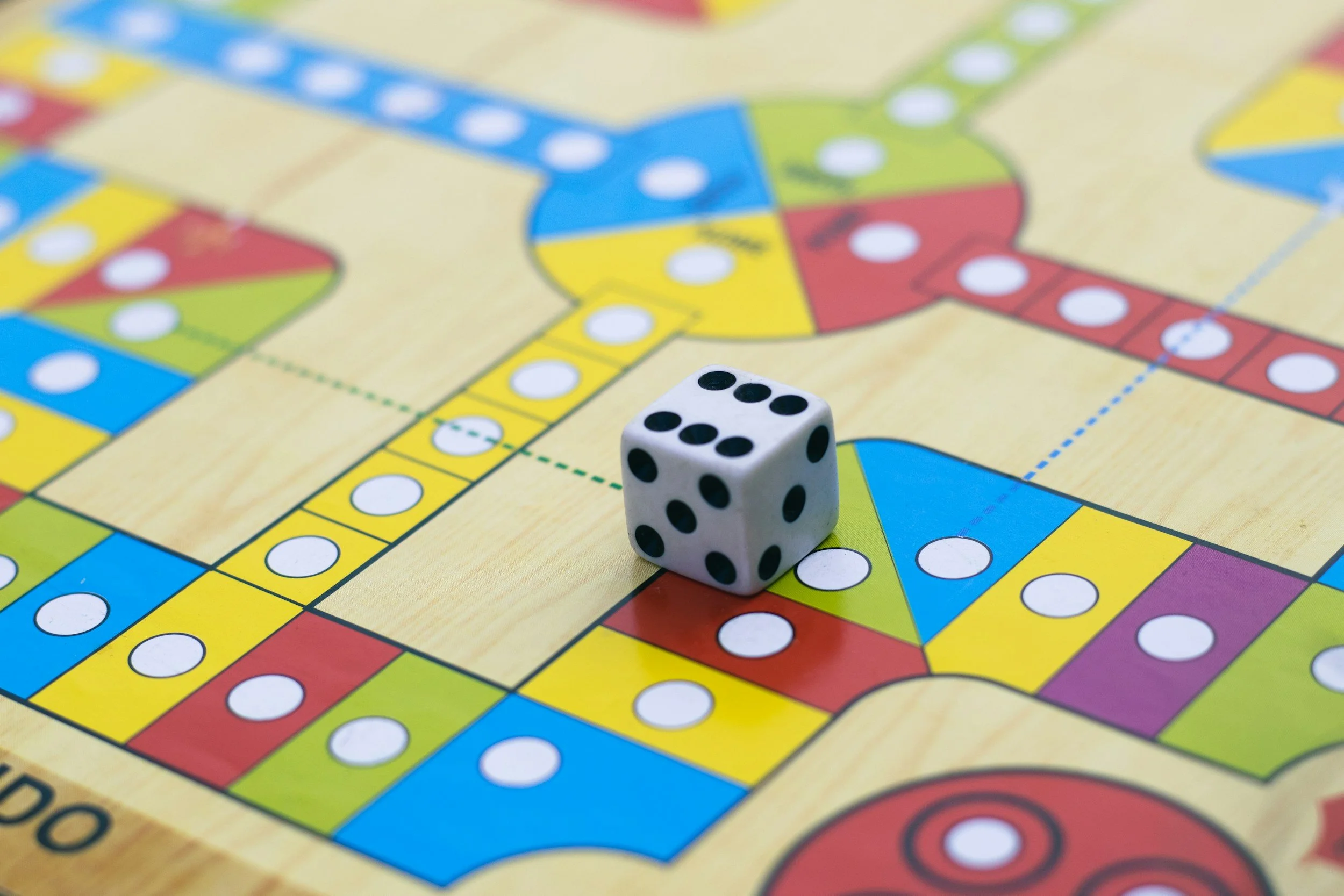
Building Connection, Communication, and Confidence Through Shared Interests
At Speak, Learn, & Play, our social groups offer children and teens a supportive, engaging space to practice social communication, collaboration, and flexibility. Groups are thoughtfully designed and clinician-led, using shared interests as a natural foundation for connection.
Rather than focusing on “fixing” social skills, our groups emphasize authentic interaction, relationship-building, and confidence in a low-pressure environment.

-
Social groups may be a great fit for children and teens who:
Want support navigating peer interactions and friendships
Benefit from structured, guided social experiences
Have strong interests and enjoy learning through play
Thrive in small group settings with clear expectations
Groups are carefully formed based on age, developmental profile, and social goals to ensure a supportive and meaningful experience.
-
Our social groups are:
Clinician-Led: Facilitated by experienced therapists who guide interaction, support communication, and model flexibility.
Interest-Based: Shared activities create natural opportunities for connection and collaboration.
Strengths-Focused: We build on each child’s strengths while gently supporting areas of growth.
Supportive and Structured: Clear routines and expectations help children feel safe and successful.
Parents are kept informed about group goals and progress, with an emphasis on supporting skills beyond the group setting.
-
Small group sizes to support meaningful interaction
Clinician-guided sessions with clear goals
Thoughtful group placement based on age and needs
Ongoing communication with families
Social groups may be offered as a stand-alone service or alongside individual therapy.
-
Social Groups are offered at our Brooklyn, NY practice.
Our Social Groups

LEGO Social Club
Ages 6-8
LEGO® Social Club uses collaborative building and problem-solving to support:
Communication and expressive language
Turn-taking and cooperation
Perspective-taking and flexibility
Peer engagement and teamwork
Children work together toward shared goals while clinicians guide interaction and support social communication in real time.
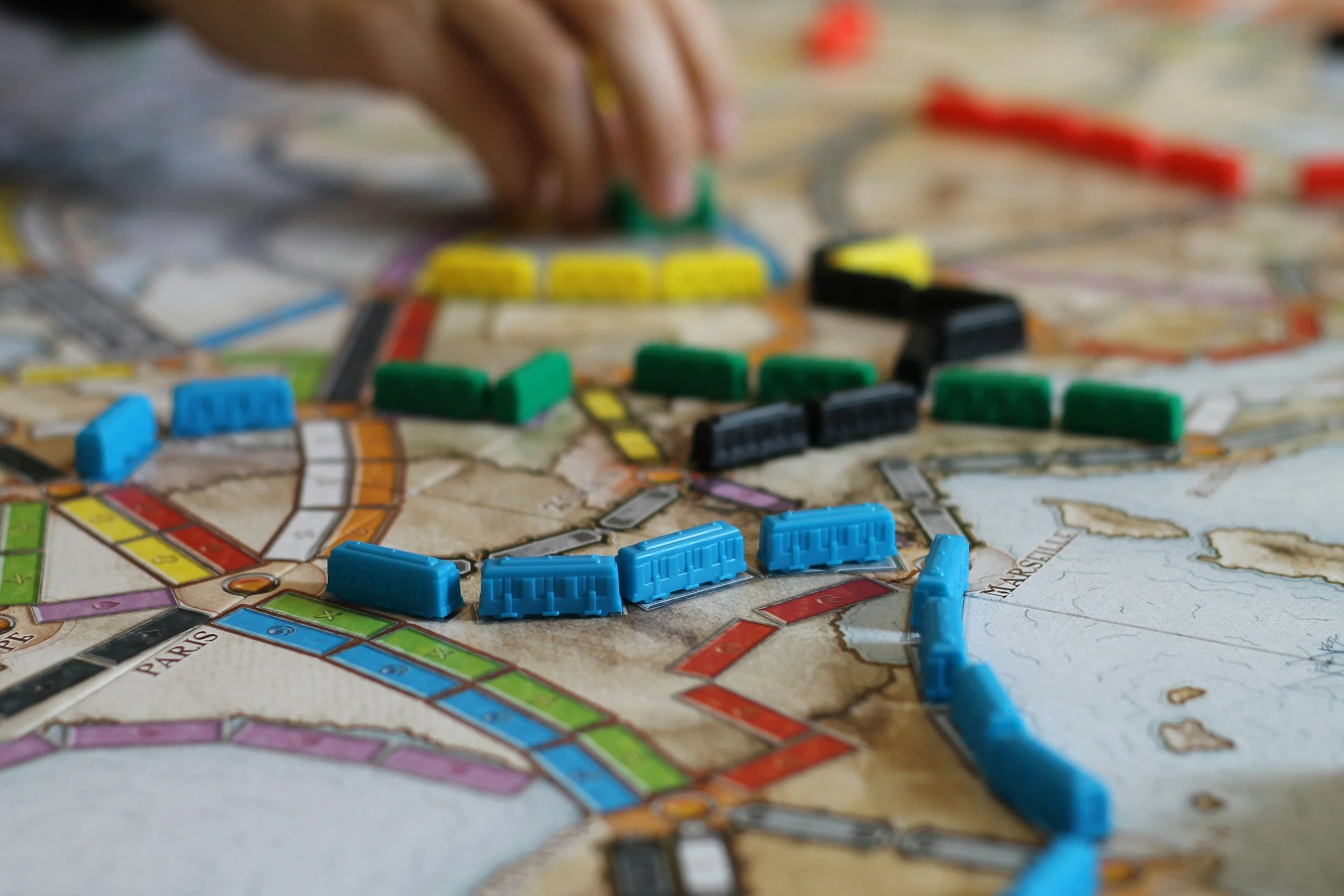
Board Games Group
Ages 9+
Board Game Groups use structured games to support:
Social communication and conversational skills
Emotional regulation and frustration tolerance
Following rules and adapting to change
Peer interaction and shared enjoyment
Games are carefully selected to match each group’s developmental level and social goals.
How This Helps Your Family
For Your Child
Social skills groups give kids a chance to practice being with other kids in a setting where there’s room for mistakes, misunderstandings, do-overs, and growth. They can work on things like joining in, reading social cues, handling frustration, taking turns, solving problems, and figuring out what to do when an interaction doesn’t go the way they hoped.
Just as importantly, groups can help kids feel less alone. They get to experience connection with peers who may have some of the same challenges, while building confidence in their ability to navigate friendships and be part of a group without having to change who they are.
For You
When your child has a hard time socially, it can be painful to watch and hard to know how much to step in. A social skills group gives parents the reassurance of knowing their child is getting a chance to practice friendship skills, communication, flexibility, problem-solving, and handling frustration in a supportive setting. It can also help parents better understand what gets in the way socially and what kinds of support actually help.
Instead of feeling like you have to coach every interaction yourself, you get another set of eyes, another source of insight, and a little more confidence that your child is building skills in a place where mistakes are expected and growth can happen gradually.